
Design Systems
Design systems vs. brand guidelines - and why most teams need both
·3 min read·Igal Melamed
Updated
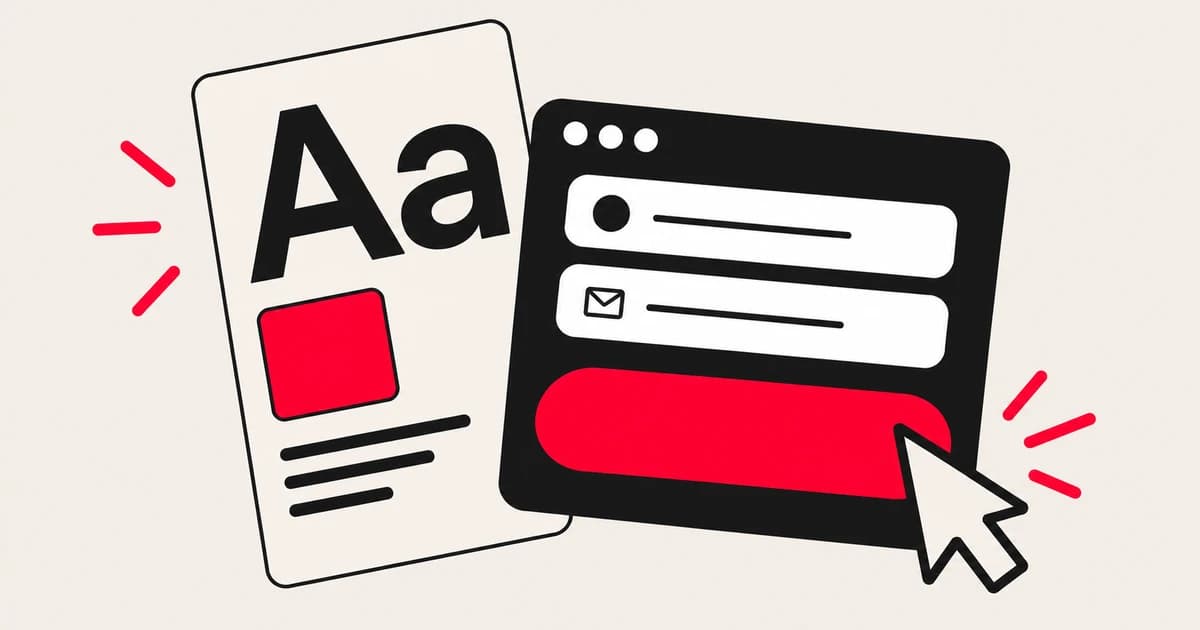
A brand guideline tells you what your logo looks like, what fonts to use in marketing materials, and how much whitespace to leave around your wordmark on a billboard.
A design system tells your engineers what a primary button looks like, how it animates on hover, what spacing it has, and which token controls its color in light mode and dark mode.
These are not the same artifact. They live in different files, serve different audiences, and break in different ways. The cost of conflating them is real - and surprisingly common.
The brand guideline failure mode
You have a beautiful 60-page PDF from your branding agency. It covers logo usage, color palette, typography, voice and tone, iconography principles. Your marketing team uses it. Your design team uses it for landing pages.
Then your engineers ask: "What does a disabled button look like? What about a destructive button? What's the focus ring color? What's the hover state for cards versus rows?"
The PDF doesn't say.
So engineers invent. Each team invents differently. Six months later your product has 47 button variants, three accent colors that almost match the brand red, and a focus ring that's whatever Material UI ships by default.
The design system failure mode
Now you build a design system. Tokens, components, documentation in Storybook. Engineers love it. PMs love it. The product becomes consistent.
But your marketing team is still on the brand PDF. Six months later your product looks tight, and your landing pages look like they belong to a different company.
The integrated path
The design system is the product-facing implementation of the brand guideline. Same tokens, expressed at different fidelity:
- Brand guideline:
Brand red→ "use for CTAs, do not use for body text" - Design system:
--color-action-primary: #d3132f→ consumed by<Button variant="primary">
The brand guideline lives in Figma + PDF; it answers "why this color." The design system lives in code + Storybook; it answers "where this color shows up."
If both reference the same source of truth, marketing and product can diverge in tone - they should - without diverging in identity.
Where to start if you have neither
In our work with hi-tech clients, we sequence it like this:
- Brand foundation first (1-2 weeks) - colors, type, voice, two reference applications
- Tokenize the foundation (3-5 days) - turn every brand decision into a CSS variable, written to one file
- Build the design system on top (4-8 weeks) - components consume tokens, marketing consumes tokens, both stay in sync
The order matters. Building a design system before settling the brand foundation is the most expensive way to build product UI we know.
Continue exploring
Explore our branding and UX/UI services, see the Spectral brand project, or read Design tokens for AI-generated UI.