

Studio Melamed

Branding · UX/UI · Websites · Motion

One studio.
Every touchpoint.

Brand, product UI and motion, handled by the same senior team across every surface. Most engagements blend two or three disciplines into a monthly retainer.

Explore our capabilities
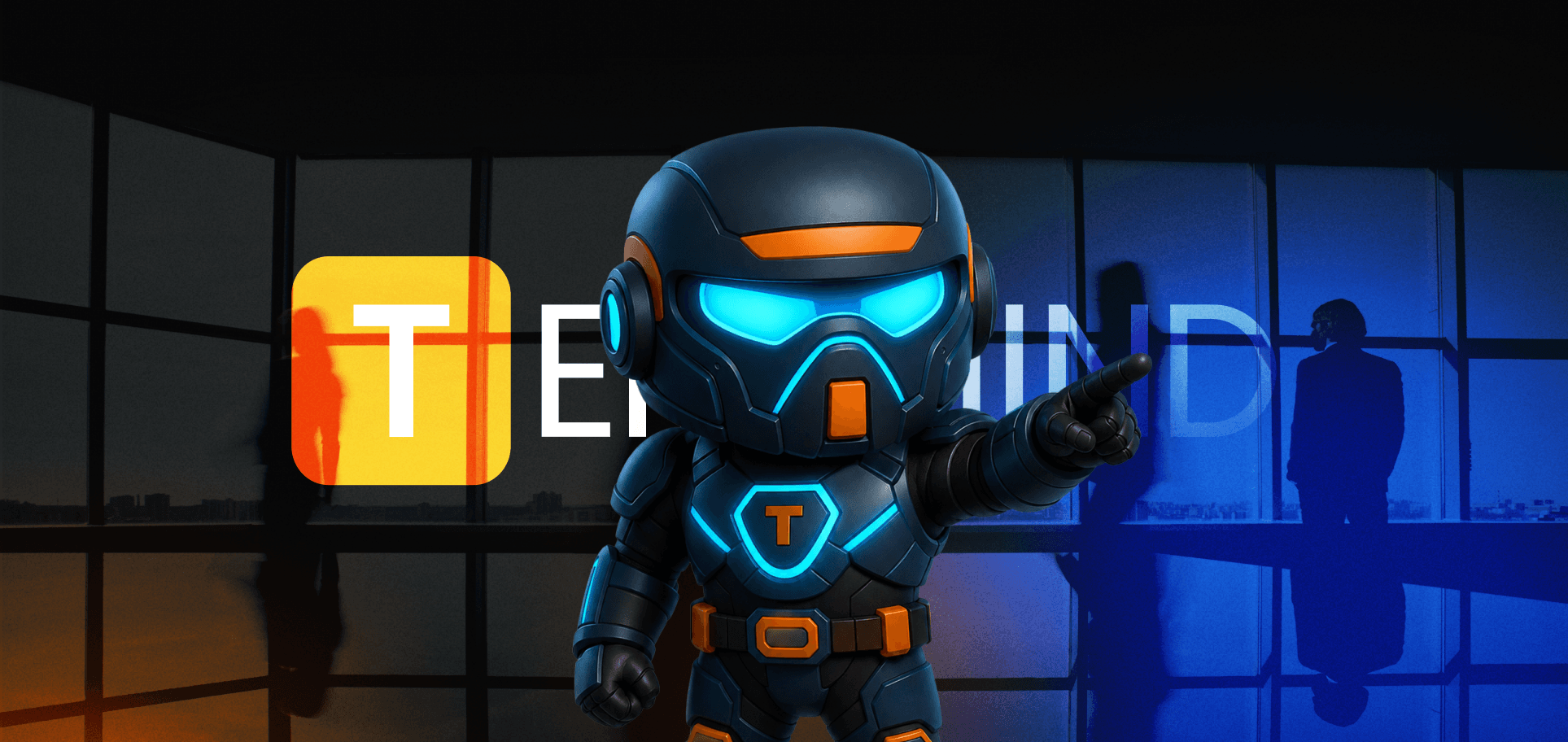
Teramind visual identity with Timmy the robot mascot.
Teramind · A brand across formats

Events & merchandise.

Exhibition graphics, apparel and printed details. A brand people can wear, carry and meet.

A varied group of visitors talking at the OX Security exhibition booth.
ExhibitionOX Security
Two distinct coworkers discussing work, one wearing the Spectral sweatshirt.
ApparelSpectral
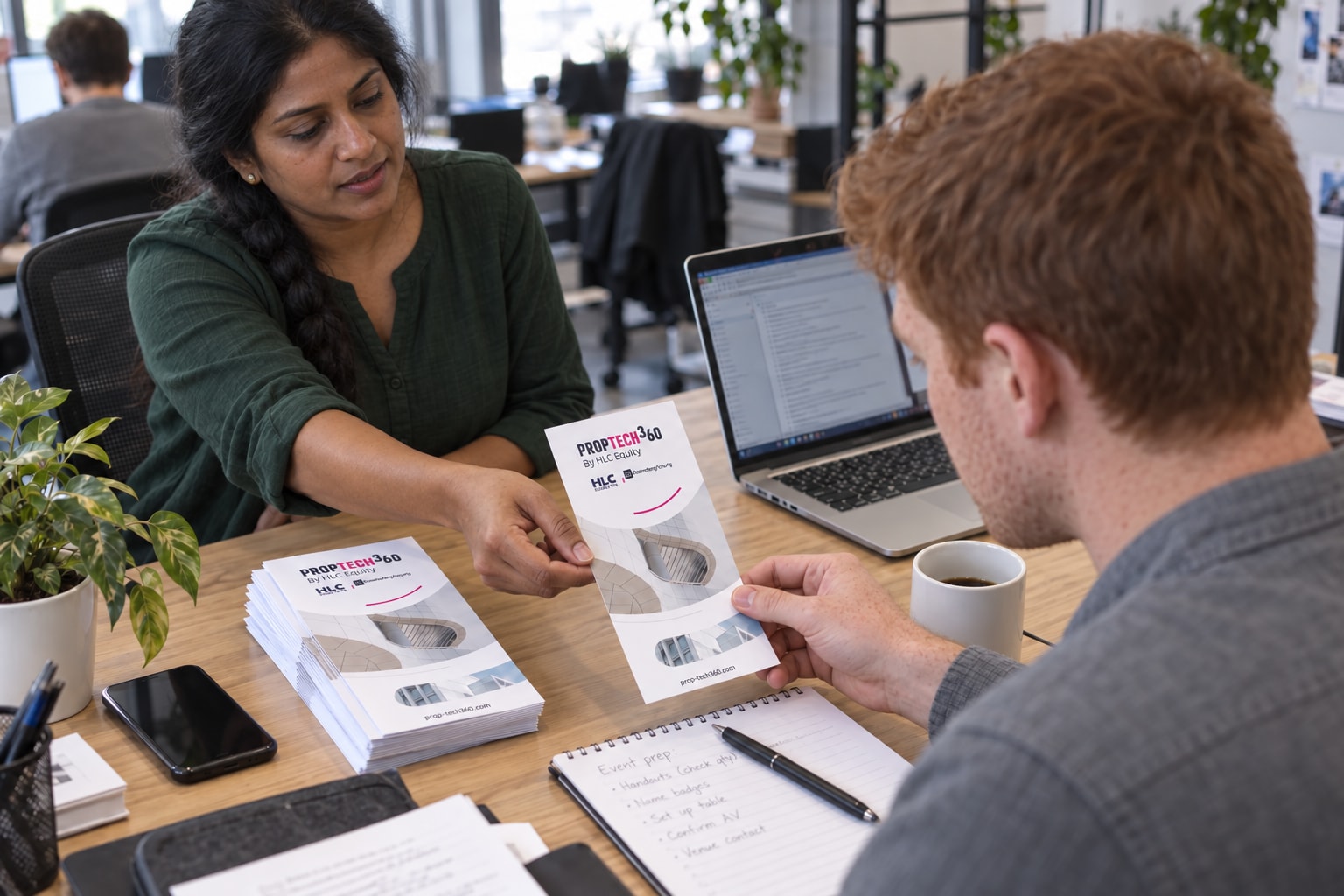
Two coworkers with distinct faces exchanging a PropTech360 printed handout.
Printed handoutPropTech360
Explore the collection

What we do

Three disciplines.
One studio.

Whether you need a complete identity, a product shipped, or motion that makes the brand felt — same studio, senior team, one continuous design language across every surface.

01

Branding

Identity systems for hi-tech, cyber, and security companies that need to look as serious as their technology.

Logo + visual identityBrand guidelinesNaming + messagingPitch + sales decksIllustration systemsEvent + booth design
SpectralTeramindContinuity
See related work
02

UX/UI Design

Product design for SaaS, security platforms, and developer tools — interfaces engineers actually ship.

Web app + dashboard UIMobile app design (iOS + Android)Design systems + component librariesWireframes + interaction prototypesVR / AR interface designEngineering-ready Figma handoff
Elbit SystemsZenityKomodor
See related work
03

Animation

Motion that makes the brand felt — product explainers, launch films, and interface micro-interactions.

Product explainer videosLottie UI micro-interactionsLaunch + social filmsMotion brand guidelines3D + interactiveConference / stage loops
Elbit SystemsTitanReflectiz
See related work

Cybersecurity branding

A security brand people can recognise.

Your technology has a specific point of view. Your brand should make it visible. We design identities for cybersecurity companies, connecting the logo, website, illustration and marketing materials in one visual language.

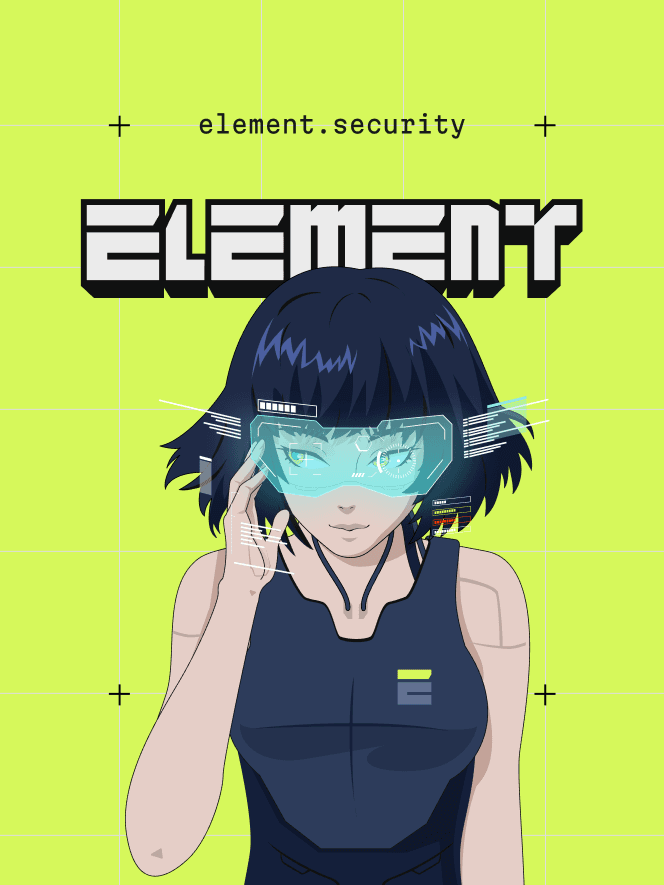
Element Security brand identity and visual language.
Element Security · Brand identity

When every security company uses the same visual shorthand, buyers have less to remember. A distinctive identity gives your team something consistent to build on, whether they are explaining a technical product, preparing a sales deck or planning a conference presence.

Identity with a clear direction

Logo, typography, colour and composition shaped around your product, audience and positioning. We define how those elements work together, so the identity survives beyond the launch presentation.

A language for complex ideas

Custom illustration, diagrams and motion help explain what the product does. These assets should clarify the story and belong to your brand, rather than rely on interchangeable security imagery.

Consistency across the launch

Website design, presentation templates, social graphics and event materials extend the identity into the places buyers meet you. Brand guidelines give internal teams a practical reference for future work.

Questions about Cybersecurity branding

Do we need to replace our existing logo?

Not necessarily. We can work within an established identity or develop a broader rebrand. The starting point is what no longer works: recognition, consistency, the product story or the practical needs of your marketing team.

Can the identity extend to our next conference?

Yes. Exhibition graphics, signage, presentations and branded merchandise can be included in the scope. Share your event date and production requirements so the deliverables can be planned together.

What should we bring to the first conversation?

Your current website and brand materials, a short product explanation, the audience you need to reach and the launch or business change prompting the project.

Read about common branding mistakes in tech

B2B SaaS UX/UI design

Complex products. Clear next steps.

B2B software asks people to make decisions, manage exceptions and complete real work. We design user flows and interfaces that make those tasks easier to understand, from the first setup to the screens people use every day.

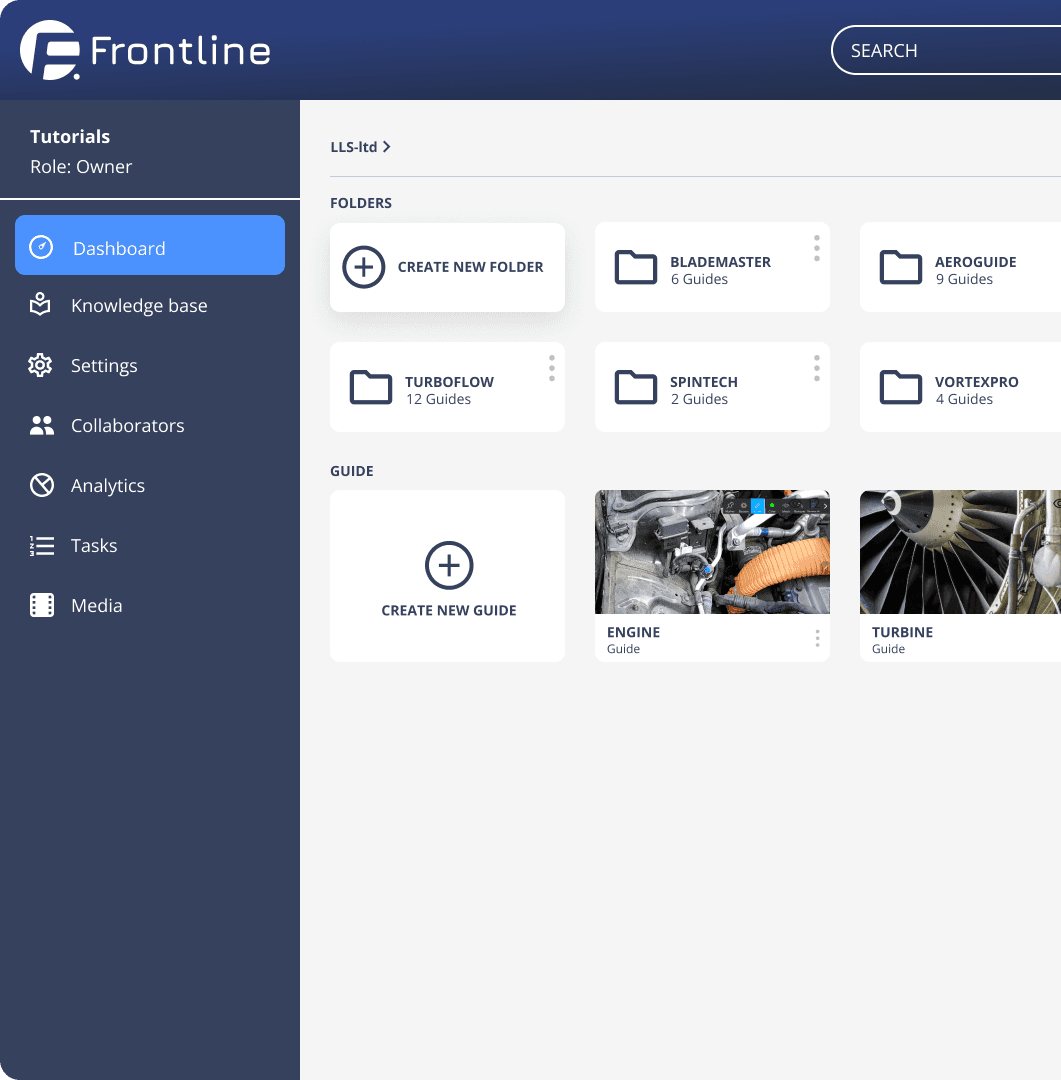
Frontline enterprise product dashboard with folder navigation and guide cards.
Frontline · Product interface design

Adding another feature often adds another decision for the user. When navigation, terminology and interaction patterns drift apart, even experienced users have to stop and work out what to do. Product design brings those pieces into a coherent experience.

Flows before screens

We map the task, the user's starting point and the decisions along the way. Wireframes and interaction prototypes make the proposed flow concrete before the team commits to detailed interface work.

Interfaces that explain the state

Dashboards, tables, forms and navigation need to communicate what matters now. We design the main flow alongside loading, empty, error and permission states, so the experience is considered beyond the ideal scenario.

A system your team can extend

Reusable components, clear interaction patterns and design guidelines help the product stay consistent as it grows. We prepare the interface for engineering handoff, with responsive behaviour and component states defined within the agreed scope.

Questions about B2B SaaS UX/UI design

Can we start with one difficult workflow?

Yes. A focused scope can cover a specific flow, such as setup, a dashboard or a recurring task. We can then identify which patterns should become reusable across the rest of the product.

Can you work with our existing design system?

Yes. Share the component library and the product it supports. We can design within the existing language and identify gaps where a new state or interaction pattern is needed.

What helps you understand our product?

A product walkthrough, the main user roles, examples of difficult tasks and any existing customer feedback are useful starting points. Your product and engineering teams can explain the constraints that need to shape the design.

Read about reducing the work in B2B onboarding

Website design for tech companies

Make your product easier to understand.

A technology website needs to explain what you do, who it is for and why it matters. We turn that story into a clear page structure and a distinctive visual experience, with responsive layouts that work beyond the desktop presentation.

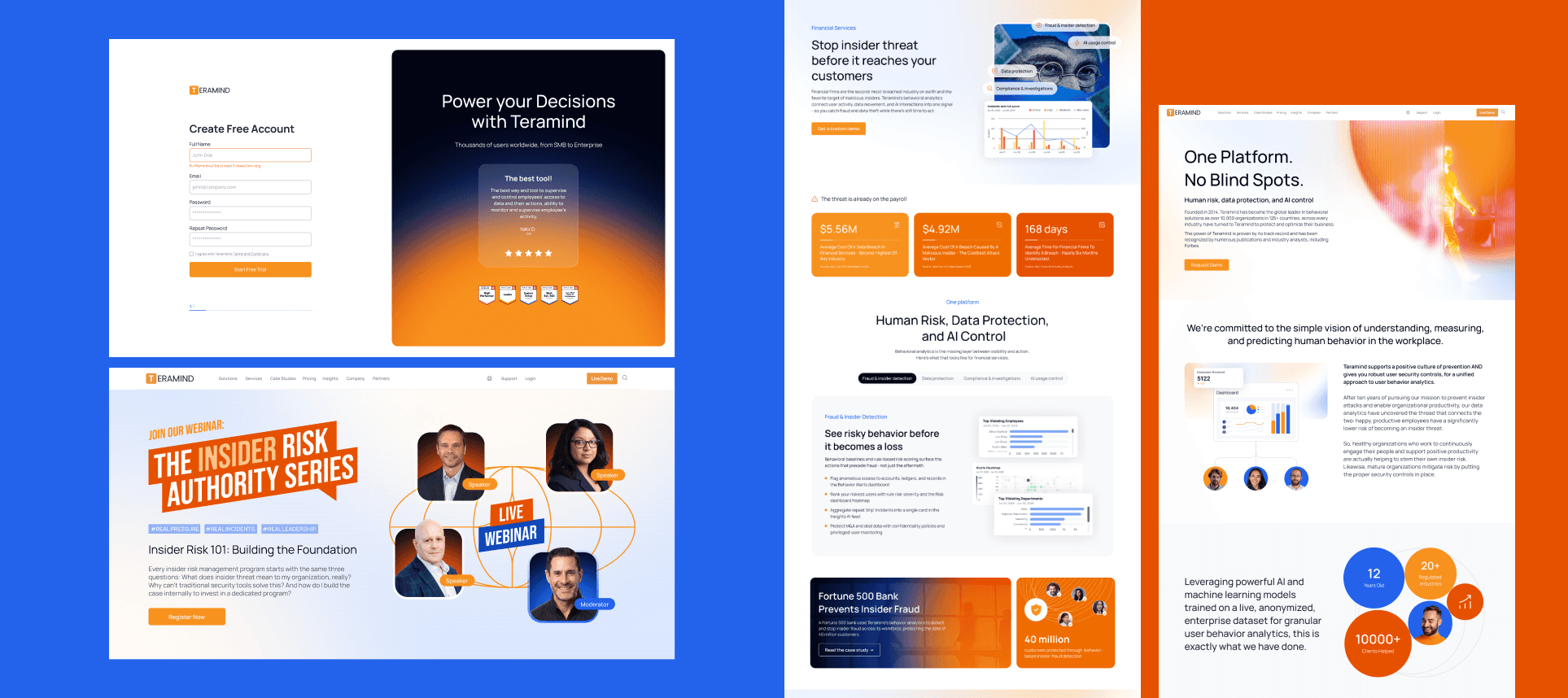
Teramind website page designs, including registration, campaigns and product explanations.
Teramind · Website design

A visitor should not need a sales call to understand the basics of your offering. Product detail, proof and a clear next step each need their place. We help organise that information so the site supports both a quick first impression and a closer evaluation.

Structure around buyer questions

We plan the page hierarchy and the information each page needs to communicate. Wireframes establish how product explanations, use cases, supporting evidence and contact paths fit together.

A website that belongs to your brand

Typography, imagery, illustration and motion work together to give the site its own character. The visual system can extend an existing identity or develop alongside a wider branding project.

Responsive design and a clear handoff

We define layouts for different screen sizes and prepare reusable page elements. Content editing needs, implementation responsibilities and the launch scope are agreed around your team and chosen platform.

Questions about Website design for tech companies

Can you redesign the website without a full rebrand?

Yes. We can work with your current identity and focus on structure, page design and the way the product is presented. If the identity creates limitations, we can discuss those before expanding the scope.

Does every project include development?

The implementation scope depends on the project. We can discuss a design handoff to your developers or a wider website engagement. The platform, content workflow and responsibilities should be defined before work begins.

How do you approach SEO in website design?

The structure should give each important topic a useful page, with clear headings and relevant internal links. Technical implementation also needs sound metadata, crawlable content and performance checks. Search results depend on the content, competition and the site's wider authority, not design alone.

Read our guide to choosing a website platform

How we work

Built for speed and rigor.

Five steps from first call to launch. Most projects ship in 4–8 weeks.

  1. 01

    Discovery call

    30 minutes. We learn your product, your audience, and what 'great' looks like. No briefing forms, no agency dance.

  2. 02

    Scope + proposal

    A written scope, fixed timeline, and pricing. No surprises in week three.

  3. 03

    Direction sprint

    Mood, language, and 2–3 visual directions in the first week. Fast feedback loop, low ego.

  4. 04

    Design execution

    Senior designer on the file from day one. Two rounds of revisions baked in.

  5. 05

    Handoff + beyond

    Clean files, dev-ready specs, and an open line for whatever comes next. Many of our clients become retainers.

WhatsApp