
Studio Operations
Design retainer vs. project: choosing the right engagement
·3 min read·Igal Melamed
Updated
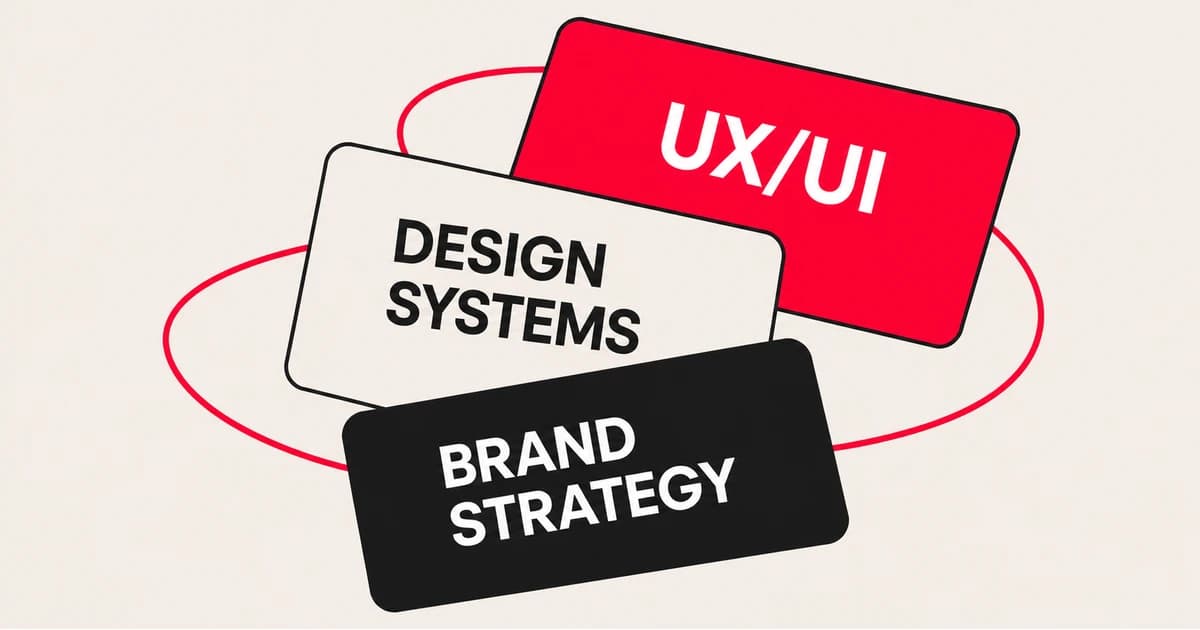
A design retainer suits a team with recurring design needs and a useful backlog. A project suits a defined outcome with a clear finish. The right choice depends on the work ahead, not the assumption that one model is always more efficient.
Studio Melamed's preferred engagement is a monthly retainer with a minimum of 20 hours. That preference does not make it the right model for every buyer.
When a project is the better fit
A launch identity, a finite website scope or a specific presentation can be easier to organize as a project. Agree on deliverables, review rounds, dependencies and a definition of done before work begins. Include the handoff: source files, component documentation and ownership of later updates.
Projects become harder to manage when the brief is repeatedly expanded without revisiting scope. A new request should trigger a scope discussion, not silently consume the time reserved for an existing deliverable.
When a retainer makes sense
Ongoing product and marketing work benefits from continuity. A designer who regularly works with the same team can retain context about the audience, visual system and review process. Reserved capacity also makes planning easier, provided the team has enough relevant work to use it.
A retainer still needs priorities. Agree on the monthly allocation, what happens to unused time, response expectations and who can approve a change of direction. These are contract-specific details, not universal features of every retainer.
Compare the work before comparing the fee
List the design requests you expect over the next planning period. Separate recurring work from a one-time milestone. Identify which tasks depend on fast response and which can be scheduled in advance.
- Choose a project when the outcome and boundaries are sufficiently clear.
- Consider a retainer when demand recurs and keeping brand context has practical value.
- Revisit the arrangement if the backlog, team or business priorities change.
Neither model guarantees lower costs or better work. Compare the actual scope, capacity and responsibilities being offered. Ask how progress will be reviewed and how either side can adjust the engagement if it stops fitting.
Give either model a measurable brief
Before agreeing on capacity, write down the user task you want to improve and how you will assess it. “Redesign onboarding” is a broad request. “Help invited analysts inspect their first dataset, including permission and upload failures” gives a team something concrete to scope and test. This is an illustrative brief, not a reported client result.
For a project, define the flows and states to be reviewed, the research or testing included, and what the handoff must contain. For a retainer, agree which recurring evidence will change the priority list: observed usability problems, support themes or clearly defined product events. Reserve time for review and iteration instead of assigning the entire allocation to new screens.
For complex forms, the W3C multi-page forms guidance provides concrete review criteria: logical grouping, understandable progress and recognizable optional stages. These can become acceptance criteria in a brief. They do not establish a guaranteed return on investment, delivery time or required number of design hours.
Keep business claims separate from deliverables. A redesigned flow is something a studio can deliver; a conversion increase must be measured under defined conditions. Record the baseline, who owns measurement and when the team will review it. If that evidence is missing, scope the measurement work rather than promising a percentage improvement.
Continue exploring
Explore our design services, meet the studio, or read about AI and design retainers.