
AI & Design
Anyone can generate a brand now - which is exactly why yours needs a point of view
·3 min read·Igal Melamed
Updated
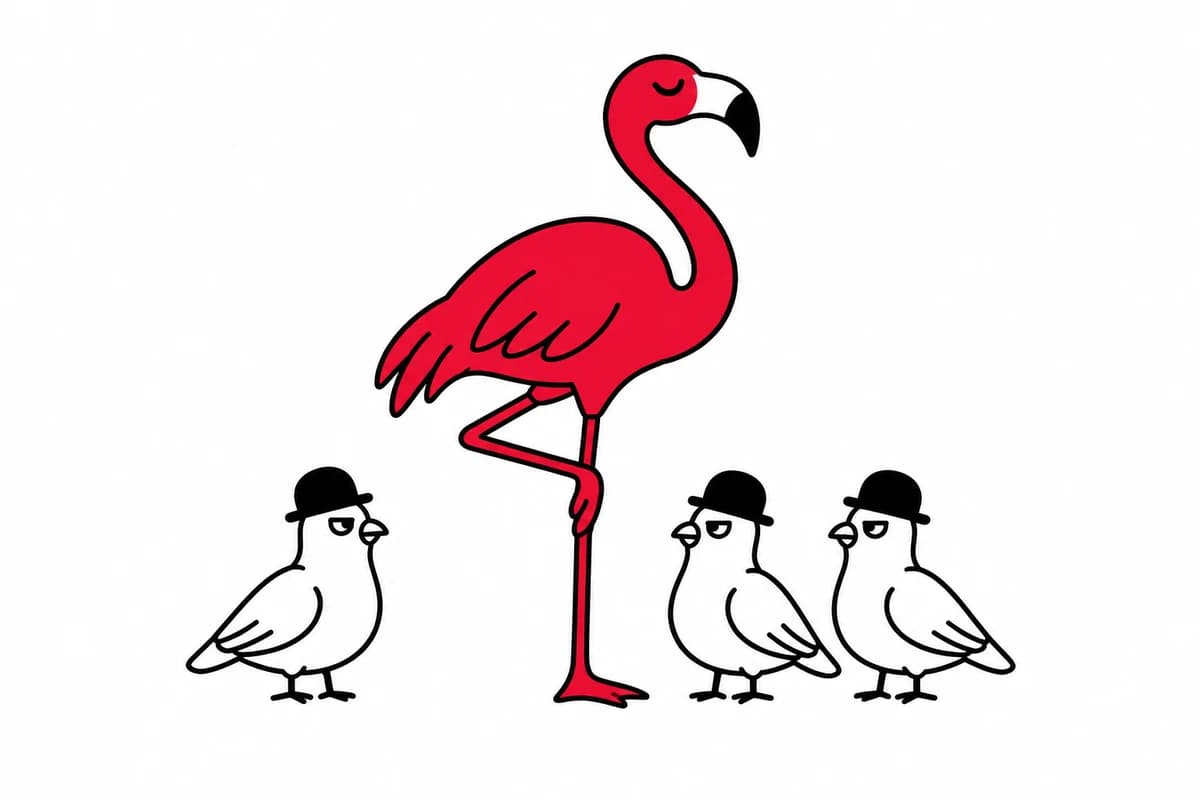
The cost of a competent-looking brand fell to roughly zero this year. Type a sentence into any of a dozen tools and you get a logo, a color palette, a landing page, and a set of social templates that look, at a glance, professional. A year ago that output cost a client several thousand dollars and three weeks. Today it costs a prompt.
This is not a threat to the studios that will matter in 2026. It's the best thing that's happened to them. Here's the reasoning.
The average got cheap
A generative model produces the most probable next token given everything it was trained on. Point it at "modern SaaS brand" and it returns the statistical center of every modern SaaS brand it has ever seen: Inter or a system font, a blue-to-purple gradient, an oversized hero with a headline like "Build the future," cards with the same 16px radius on every corner.
None of this is wrong. That's the problem. It's the average, rendered competently, at zero cost. And the average, by definition, looks like everything else that fed the average.
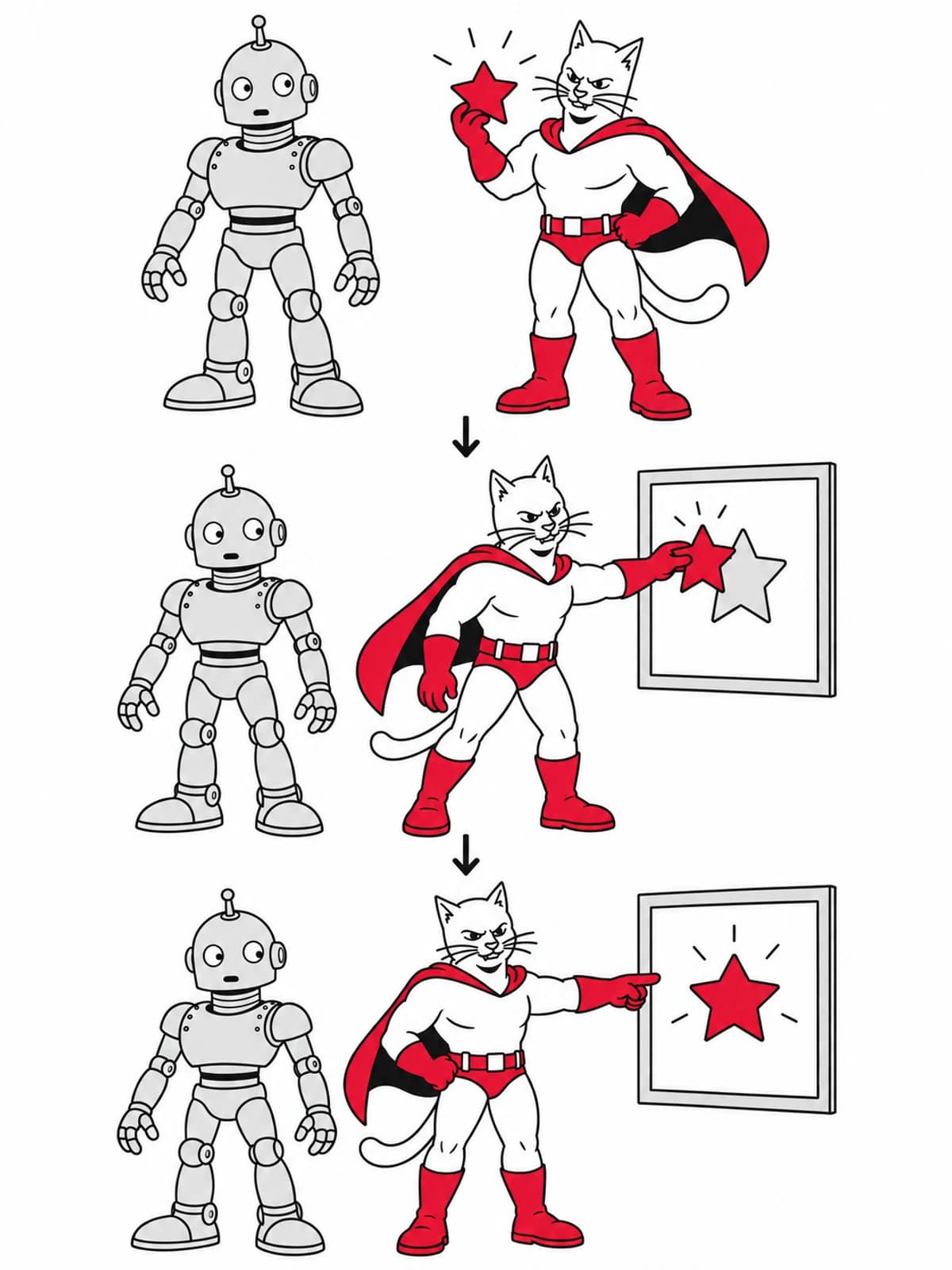
Averaging has no position
A brand exists to argue for something - to say we are this and not that, and to make a specific buyer feel that the distinction matters. The mean of all brands argues for nothing. It resembles everything and commits to nothing, which is the one thing a brand is not allowed to do.
So the moment competent-average becomes free, competent-average stops being worth anything. The value moves entirely to the deviation: the one decision on your brand that a model would never have made, because no model optimizes for standing out - they optimize for fitting in.
What "generated" looks like to a buyer
Enterprise buyers can't articulate why a site feels generic, but they feel it in about four seconds, and it costs you. When a security buyer lands on a page that looks like the statistical center of the category, the subtext is these people did the default thing - which is a strange message to send when you're asking them to trust you with their infrastructure.
Distinctiveness reads as intent. Intent reads as competence. That chain is doing more conversion work than any feature list on the page.
Where the deviation actually lives
It's rarely expensive. It's a handful of decisions made on purpose:
- A typeface with a spine. Swapping the default sans for one that carries a point of view is the single fastest way out of the average. The companies you think of as well-designed almost all commissioned or chose a display face that no prompt would have returned.
- One color you can defend in a sentence. When Spectral chose vivid purple in a category drowning in blue, that wasn't decoration - it was a position, and it read as confidence long before anyone read the copy. If your color choice only survives the sentence "it tested as trustworthy," a model already made it for you.
- One thing made by hand. In a feed of generated perfection, the detail that's visibly art-directed is the thing the eye stops on. The imperfection is the signal that a person decided.
The studio's job just got clearer
Our hero line has said it for a while: anyone can generate; few can edit. In 2026 that stopped being a slogan and became the entire value. The work isn't producing more options - the tools produce infinite options for free. The work is deciding which one deviation is worth committing to, and then having the conviction to throw the other 99 average-looking directions away.
Generate all you want. The brand is what's left after someone with a point of view deletes everything that looked like everyone else.
Continue exploring
Explore our branding and UX/UI services, see the Spectral brand project, or read Brand guidelines vs. design systems.